logo

The Queen Mary harp

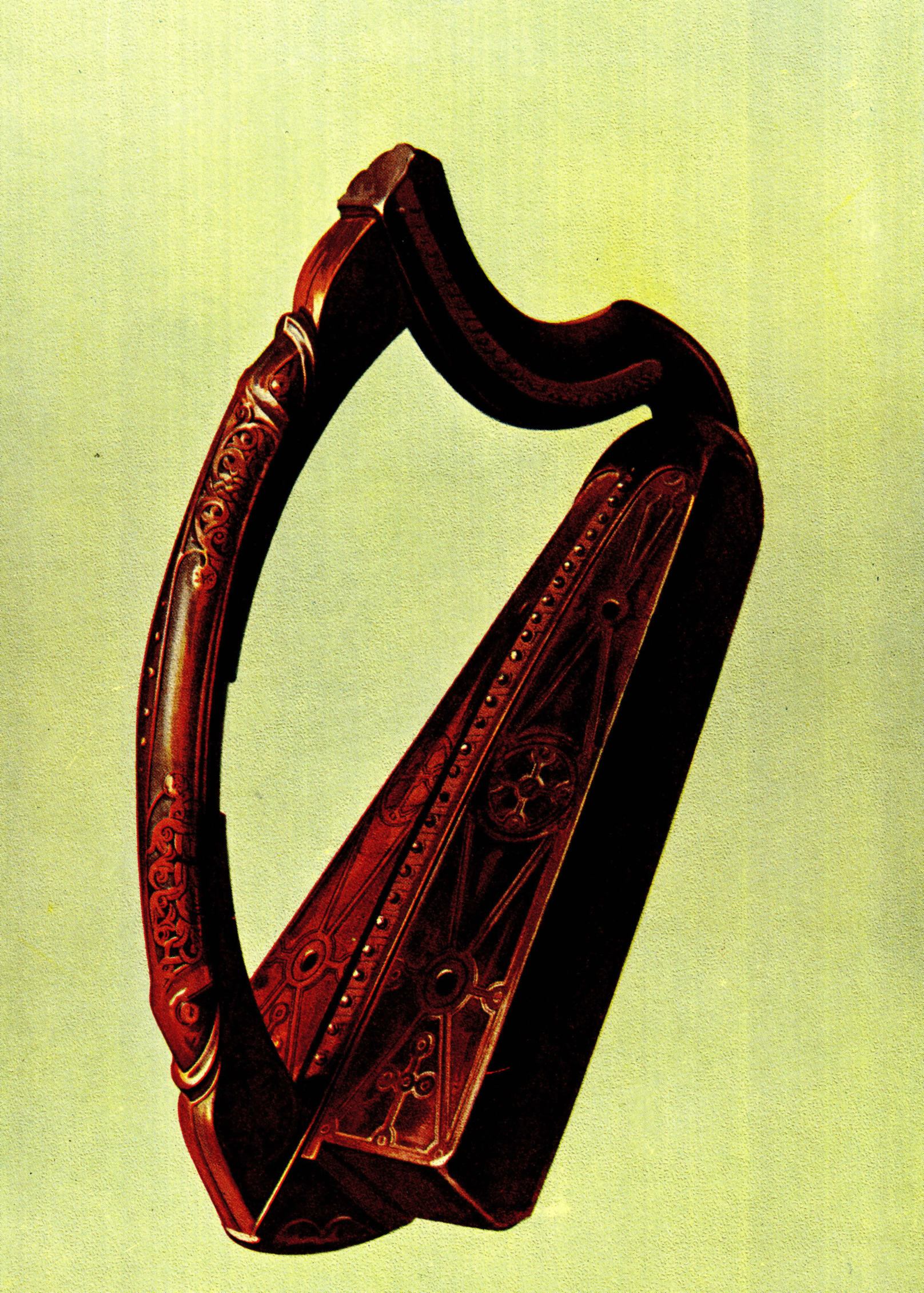
Queen Mary harp

Queen Mary harp

Queen Mary harp

Clàrsach na Bànrighe
Listen to John Robertson's repertory, performed on a replica of the Queen Mary harp, on the new CD: Simon Chadwick, Clàrsach na Bànrighe

Usually dated to the 15th Century

Also known as Lude harp

On display in the Museum of Scotland, Edinburgh.

"Small Low Headed" design;
29 strings, longest 61cm, one extra bass string added later.

Click here for an excellent museum photo at nms.ac.uk

This harp was formerly kept at Lude along with the Lamont harp. According to the family tradition, it was presented to Beatrix Gardyn by Queen Mary in the 16th century, and was subsequently passed down into the Robertson family of Lude, in Perthshire. The last person to play it was John Robertson of Lude who died c.1729; his repertory was preserved in the family and published by John Bowie in 1789. (John Robertson by the way married Margaret Farquharson of Invercauld, a descendent of Beatrix Gardyn, so it may be with Margaret that the harp came to Lude).

In 1805 John Robertson's great-grandson, General William Robertson, loaned the two harps to the Highland Society where they were exhibited in Edinburgh; both were drawn and described by John Gunn, and the Queen Mary harp was strung with gut pedal harp strings and played upon by the fashionable pedal harpist Elois. Although the strings were subsequently removed to save stressing the instrument, the wooden pegs inserted to retain the gut strings, and a short fragment of one string, are still on the harp today.

The two harps were exhibited on loan at the National Museum in Edinburgh from 1880 and were bought by the museum in 1903. They can still be seen there today.

Queen Mary detail
Split Palmette
PSAS, vol XV


Queen Mary harp

The Queen Mary harp is interesting for being the most complete and best-preserved of all the old harps. It is covered in original and intricate carving, most of which retains clear traces of its original paint. The decoration includes a number of pieces of Christian symbolism suggesting that the harp may have been made as a commission for a church or monastry. The vine-scrolls and the particular shape of the "split palmette" leaves have clear parallels with 15th century West Highland grave slabs from the Argyll area, suggesting that this is the time and place that the harp originated.

Like most of the old harps, the Queen Mary harp was modified by a later owner. In this case the addition is obvious and simple; an extra bass string was added. There is a hole drilled in the neck beneath the metal band, for a 30th tuning pin (now lost) and as there was no space on the soundbox for a 30th shoe, an iron staple was inserted into the gap that had opened up between the pillar and soundbox. Presumably the old medieval gamut was no longer satisfactory for 17th century baroque playing styles!

Further reading:
R.B. Armstrong, The Irish and Highland Harps. David Douglas, Edinburgh, 1904, p. 168-183. Photos, many line drawings of elevation and details, and extremely comprehensive written description.

Simon Chadwick

Student Queen Mary Student copies of this harp are available for sale from the Historical Harp Society of Ireland. Built by David Kortier, based on his measurements from the original to reproduce its idiosyncratic string spacing, angles and overall ergonomics. Laminated construction and simplified outline keep the price affordable without compromising the historical value of this harp. click here for more info.
